The New Science of Aging: How Healthy Habits Lead to Longer Life

About This Article
Researchers now view aging as a process that can be influenced through diet, exercise, sleep, and stress management. Discover how evidence-based habits can help you stay healthy and independent longer.

Marcus Howard
Marcus Howard writes about alternative health topics for older adults such as CBD, acupuncture, and herbal medicine.
Table of Contents
- Why Inflammation Matters as You Age
- Nutrition as the Foundation for Longevity
- Supplements Can Help
- Exercise: The Closest Thing to an Anti-Aging Prescription
- Sleep and Stress: The Hidden Pillars of Aging Well
- Building a Personal Plan for Healthy Aging
- The Takeaway
- Frequently Asked Questions About Healthy Aging, Longevity, and Reducing Future Long-Term Care Risk
You’ve probably noticed that conversations about aging have changed. Researchers no longer view it as a one-way decline, but rather as a biological process that can be influenced through lifestyle choices.
Over the last century, advances in public health and medicine have increased average life expectancy by about 30 years in many nations. Now, scientists are exploring how to expand healthspan, the period of life spent in good health, not just lifespan.
Researchers have identified a dozen hallmarks of aging, biological mechanisms that help explain how we age at the cellular level. The framework, first published in Cell in 2013 and updated in 2023, encompasses DNA instability, telomere shortening, mitochondrial dysfunction, loss of proteostasis, and, most recently, chronic inflammation, gut dysbiosis, and impaired autophagy (López-Otín et al., 2023, Cell).
Experts suggest that the goal isn’t to live forever; it’s to stay healthy for as long as possible. We know we can’t stop time, but we can reduce the damage time does to our cells. Less damage, better quality of life, better longevity, and perhaps a delay of the need for long-term care.
Why Inflammation Matters as You Age
Low-grade, chronic inflammation — sometimes referred to as “inflammaging,” is one of the most significant biological accelerators of aging. It contributes to tissue damage, insulin resistance, and cognitive decline.
Scientists have found that inflammation triggers cellular stress responses, which accelerate deterioration across organ systems (Franceschi & Campisi, Nature Reviews Immunology, 2014).
Emerging research highlights molecules such as interleukin-11 (IL-11) as potential links between inflammation and tissue fibrosis. Animal models suggest that IL-11 levels increase with age and may contribute to the accumulation of senescent cells, although human studies are still in their early stages (Widjaja et al., Nature Communications, 2024).
The takeaway: reducing inflammation through lifestyle changes — not medication alone — may slow cellular stress and support healthy aging.
Nutrition as the Foundation for Longevity
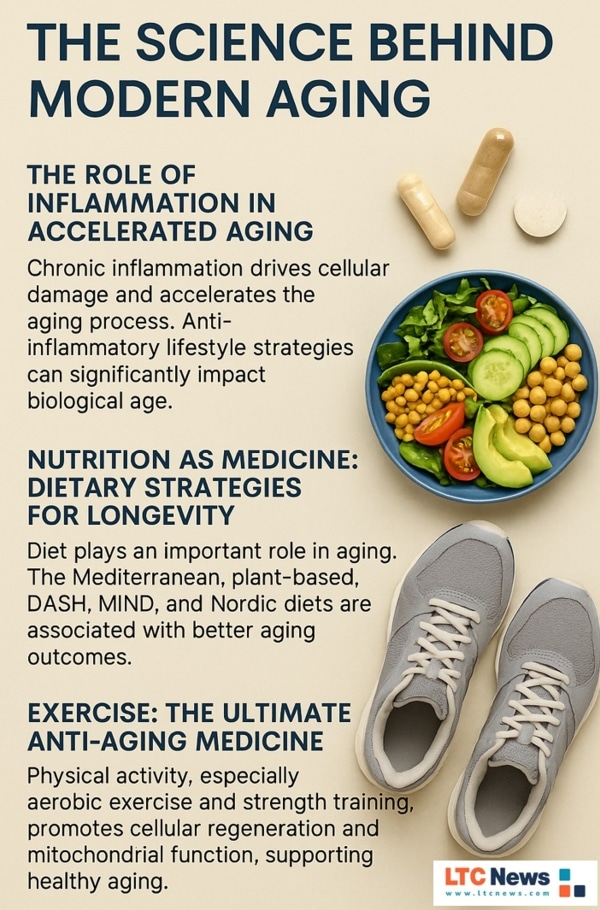
What you eat plays one of the most powerful roles in how well you age. Diets rich in colorful vegetables, healthy fats, lean proteins, and whole grains reduce oxidative stress and help maintain muscle, brain, and immune function.
The Mediterranean diet remains the best-studied longevity pattern. It’s linked to lower cardiovascular and cognitive decline risk, largely due to its mix of olive oil, nuts, fish, and antioxidants (Estruch et al., NEJM, 2018).
Plant-forward diets also support the microbiome, a critical regulator of immune and metabolic health.
Some small studies suggest that lifestyle programs combining methylation-supportive diets, exercise, stress reduction, and sleep may reduce biological age by measurable margins. A 2021 pilot trial found an average reduction of 3.23 years in biological age after eight weeks of combined interventions (Fitzgerald et al., Aging, 2021). Still, larger trials are needed before drawing firm conclusions.
Supplements Can Help
No supplement replaces a balanced plate, but eating foods that fuel your body’s repair systems can keep you strong and alert well into your later years.
When considering supplementation to enhance these dietary approaches, it's worth noting that the best anti-aging supplement brand will generally focus on evidence-based compounds that support cellular health, such as NAD+ precursors, resveratrol, and omega-3 fatty acids, rather than making unrealistic promises about reversing aging entirely.
While food should always be the foundation of wellness, certain evidence-based supplements can help fill common nutritional gaps that appear with age. For example, vitamin D supports bone strength, muscle function, and immune regulation, yet deficiencies rise sharply among older adults, particularly those with limited sun exposure (NIH Office of Dietary Supplements, 2024).
Vitamin B12 deficiency is another common condition, as absorption decreases after age 50, which increases the risk of fatigue and cognitive changes (Allen, Nutrients, 2023).
Adequate calcium and magnesium intake supports skeletal and cardiovascular health, while omega-3 fatty acids from fish oil or algae help maintain heart and brain function as part of a balanced diet (Mozaffarian & Wu, J Am Coll Cardiol, 2024).
Researchers have also examined several bioactive compounds that may influence cellular health. Coenzyme Q10 (CoQ10), a natural antioxidant involved in mitochondrial energy production, may improve energy metabolism in older adults (Di Lorenzo et al., Antioxidants, 2023).
CoQ10 isn’t talked about near as much as other antioxidants such as vitamin C and E, but it is a very important molecule in the skin, — Patricia K. Farris, MD, a clinical assistant professor of dermatology at Tulane University School of Medicine, as quoted in Verywell.
Resveratrol, found in red grapes and certain berries, has been linked to improved vascular and metabolic function in small studies (Poulsen et al., Cell Metabolism, 2019), while curcumin, the active compound in turmeric, shows anti-inflammatory potential in early trials (Hewlings & Kalman, Foods, 2024).
Although promising, these compounds remain supportive rather than curative tools. Quality, purity, and dosage can vary widely, and supplements can interact with prescription medications.
Many older adults take multiple medications. If you are one of them, be sure to always consult your healthcare provider or pharmacist before starting any supplement, particularly if you manage chronic conditions or take multiple medications.
Supplements should complement, not replace, the fundamentals of healthy aging: balanced nutrition, regular physical activity, restorative sleep, and social connection. Together, these strategies help you maintain vitality and independence well into later life.
Exercise: The Closest Thing to an Anti-Aging Prescription
If there’s one proven “anti-aging” intervention, it’s movement. Regular physical activity improves circulation, reduces stress hormones, and maintains balance, bone strength, and coordination.
A combination of aerobic and resistance training has the greatest effect on longevity. Exercise supports mitochondrial health, improves insulin sensitivity, and enhances muscle protein synthesis, all of which are key defenses against age-related decline (Steiner et al., Journals of Gerontology: Medical Sciences, 2023).
Even short bouts of high-intensity interval training (HIIT), when performed safely and under supervision, have been shown to stimulate mitochondrial biogenesis and enhance cardiovascular capacity.
The message: you don’t need to run marathons, just be sure to move regularly and challenge your muscles safely.
Sleep and Stress: The Hidden Pillars of Aging Well
Your body repairs itself during deep sleep. During these cycles, the glymphatic system clears waste proteins from the brain, including beta-amyloid linked to Alzheimer’s disease (Xie et al., Science, 2013). Chronic sleep loss, on the other hand, disrupts hormone regulation and accelerates inflammation.
Stress management complements sleep. Long-term mindfulness and relaxation practices have been shown to preserve telomere length and reduce stress markers such as cortisol (Epel et al., PNAS, 2004).
Whether through breathing exercises, prayer, or time outdoors, calming the nervous system supports healthy immune and metabolic function.
Building a Personal Plan for Healthy Aging
You can’t stop aging, but you can shape how it happens. Being proactive should be part of your aging plan, a plan that should begin before you reach your 60s.
Start with small, consistent actions:
- Eat a diet rich in anti-inflammatory foods, such as plants, fish, and healthy oils.
- Exercise regularly with both aerobic and strength activities.
- Sleep seven to nine hours per night.
- Manage stress with mindfulness or gentle breathing.
- Stay socially connected and engaged.
These habits not only help you feel better now but also reduce the risk of losing independence later. According to the U.S. Department of Health and Human Services, 56 percent of Americans will eventually require assistance with daily activities of living due to physical or cognitive decline. Yet, most could delay this need through preventive health measures.
The Takeaway
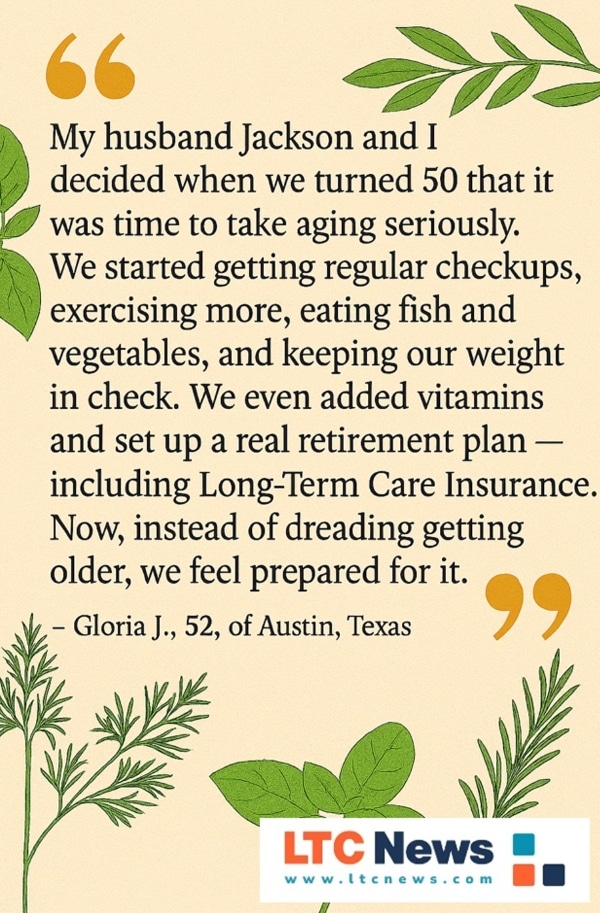
Planning and being proactive with your health will enhance your quality of life as you enter your later years. Regular check-ups, being physically active, eating well, the right vitamins and supplements, and retirement planning, including Long-Term Care Insurance, will better prepare you for the consequences of aging.
Learn More: Breaking Down Long-Term Care Insurance Policies
Learn More: Medical Testing for Check-Ups for Those Over 50
Share your thoughts and experiences about aging, caregiving, health, retirement, and long-term care with LTC News —Contact LTC News.
For long-term care planning, utilize the various tools available on LTC News, including the LTC News Cost of Care Calculator, which displays local rates for home care, assisted living, and nursing homes.
Aging is universal, but decline doesn’t have to be. By focusing on the basics, nutrition, movement, rest, and emotional health, you support your body’s natural repair systems and extend your independence. These same habits protect against costly long-term care needs and help ensure that your added years are also better years.
Disclaimer: This article is for educational purposes only and does not constitute medical advice. Always consult your healthcare provider before starting any new diet, exercise regimen, or supplement.
Frequently Asked Questions About Healthy Aging, Longevity, and Reducing Future Long-Term Care Risk
Can you really slow the aging process?
While no one can stop aging, research suggests you can influence how you age. Healthy lifestyle habits such as regular exercise, nutritious eating, quality sleep, stress management, and social engagement may help reduce cellular damage and support a longer healthspan—the years you remain healthy and independent.
What is "healthspan" and why is it important?
Healthspan refers to the period of life spent in good health, free from significant disability or chronic illness. Many experts believe extending healthspan is more important than simply increasing lifespan because it helps maintain independence and quality of life.
What is inflammaging?
Inflammaging is the term used to describe chronic, low-grade inflammation that develops with age. Researchers believe it contributes to many age-related conditions, including heart disease, diabetes, frailty, and cognitive decline.
How can I reduce inflammation as I get older?
You can help lower inflammation by eating a diet rich in vegetables, fruits, healthy fats, and lean proteins, exercising regularly, maintaining a healthy weight, managing stress, getting adequate sleep, and avoiding smoking.
Is the Mediterranean diet really beneficial for healthy aging?
Yes. The Mediterranean diet is one of the most researched eating patterns for longevity. Studies have linked it to lower risks of cardiovascular disease, cognitive decline, and other chronic health conditions due to its emphasis on olive oil, fish, nuts, vegetables, legumes, and whole grains.
Are supplements necessary for healthy aging?
Not always. Food should be the primary source of nutrients. However, some older adults may benefit from supplements such as vitamin D, vitamin B12, calcium, magnesium, or omega-3 fatty acids if deficiencies or dietary gaps exist. Always consult your physician or pharmacist before starting supplements.
Do supplements like CoQ10, resveratrol, and curcumin slow aging?
Research suggests these compounds may support cellular health, reduce oxidative stress, or help manage inflammation. However, they are not proven anti-aging cures and should be viewed as supportive tools rather than replacements for healthy lifestyle habits.
What is the single most effective lifestyle habit for healthy aging?
Regular physical activity is often considered the closest thing to an "anti-aging prescription." Exercise supports heart health, muscle strength, balance, bone density, metabolism, and brain function while helping maintain independence as you age.
What types of exercise are best for longevity?
A combination of aerobic activity and strength training provides the greatest benefits. Walking, cycling, swimming, resistance training, and flexibility exercises all contribute to healthier aging and reduced risk of disability.
How important is sleep for healthy aging?
Sleep is essential. During deep sleep, the body repairs tissues, regulates hormones, supports immune function, and clears waste products from the brain. Chronic sleep deprivation has been linked to increased inflammation, memory problems, and higher risks of chronic disease.
Does stress accelerate aging?
Research suggests chronic stress can contribute to inflammation, hormonal imbalances, and cellular damage. Stress-reduction techniques such as meditation, prayer, breathing exercises, spending time outdoors, and maintaining social connections may help protect long-term health.
Why is social connection important as you age?
Strong social relationships are associated with better mental health, improved cognitive function, lower rates of depression, and even increased longevity. Staying engaged with family, friends, and community activities supports both emotional and physical well-being.
Can healthy habits reduce the need for long-term care later in life?
Healthy habits cannot eliminate the possibility of needing care, but they may delay physical and cognitive decline. According to the U.S. Department of Health and Human Services, about 56 percent of Americans turning age 65 will eventually need long-term services and supports. Maintaining good health can help preserve independence longer.
When should I begin planning for aging and long-term care?
The best time to plan is before health issues develop. Many people begin discussing retirement, caregiving, and Long-Term Care Insurance in their 40s, 50s, or early 60s while they are still healthy and have more planning options available.
What are the most important habits for healthy aging?
The fundamentals remain remarkably simple:
- Eat a nutritious, anti-inflammatory diet.
- Exercise consistently.
- Sleep seven to nine hours each night.
- Manage stress effectively.
- Stay socially connected.
- Keep up with regular medical checkups.
- Plan ahead financially for retirement and potential long-term care needs.
These habits support better health today while helping protect your independence in the years ahead.

Sponsored