Key to Aging Well is Long-Term Care Insurance. Prepare Before You Retire.

About This Article
Aging is an issue that impacts every American family. With longevity comes a decline in our health, body, and mind. Professional long-term health care is costly and gets more expensive every year. Family caregivers face physical and emotional pressure. LTC Insurance can be the solution.

Linda Maxwell
Linda Maxwell is a journalist who writes about aging, health, chronic illness, caregiving, and long-term care issues impacting older adults and their families.
Aging affects every American family. You may be doing everything right—eating well, staying active, and focusing on your health—but aging rarely follows a predictable path. Living longer increases the likelihood of chronic illness, physical limitations, or cognitive decline.
The need for long-term care continues to grow. As of 2026, more than 63 million Americans provide unpaid care to a loved one, a number that has surged in recent years. At the same time, the cost of professional care is rising due to workforce shortages and higher labor costs. This creates a dual burden—financial strain and emotional stress—on families.
Planning for longevity is no longer optional. According to the U.S. Department of Health and Human Services, about 56% of Americans who reach age 65 will require long-term services and supports that meet the federal definition of long-term care. Without a plan, those costs can quickly drain your retirement income and savings and disrupt your financial security, not to mention the impact on your loved ones.
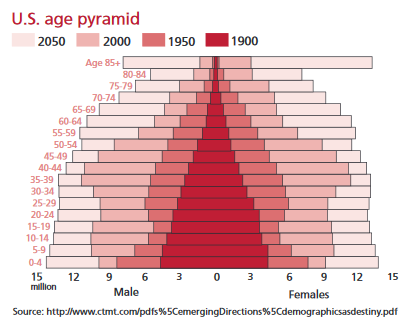
Long-term care is both a financial and a personal issue. It affects your income, your assets, and the people you care about most. Ignoring the risk does not make it disappear—it shifts the burden to your family. We re living in an aging society. The demographic trends are undeniable. By 2030, every member of the baby boom generation will be age 65 or older. By 2040, more than 14 million Americans are expected to be age 85 and older—the group most likely to need extended care.
This is more than a statistic. It represents a major shift that will touch nearly every family. The real question is not whether long-term care will affect your life, but whether you will be prepared when it does. The problem of long-term care is both a cash flow issue and a family issue. Ignoring the problem has a tremendous impact on your family and finances.
The MacArthur Foundation reports the dramatic increase in life expectancy in the United States is one of the most significant cultural and scientific advances in our history.
Health Issues Increase With Age
The Health in Aging Foundation reports one in eight adults are over age 65.

They report as we get older, we tend to develop health conditions. Over half of this group suffers from three or more chronic diseases. These include heart disease, arthritis, diabetes, cancer, and high blood pressure, to name a few.
Many of these people end up requiring help with routine activities of daily living. These daily living activities are the things we take for granted today that we learned how to do as an infant. But, at some point, we will need help with these daily living activities every day because of an illness, accident, or the impact of aging.
These activities include bathing, eating, dressing, moving from one place to another, and bathroom activities.
Don’t forget, as we age, there is a higher risk of cognitive decline from Alzheimer’s or other forms of dementia. We may be healthy in every other way but will require some sort of supervision due to memory loss.
Currently, it (Alzheimer’s) is 100% incurable and it is 100% fatal,” said John Feather, PhD, CEO, Grantmakers in Aging and former Chair of American Society on Aging’s Board of Directors
In a recent blog, Susan Coronel, Executive Director, LTC, America’s Health Insurance Plans (AHIP) wrote:
Long-Term Care (LTC) coverage can help ensure that we successfully care for this generation. LTC coverage helps to pay for services that many seniors will need as they age, including board and care in a residential home; the support of a caregiver who would help with daily activities such as bathing, dressing, and eating and care for long-lasting or recurring illnesses.”
Medical Advances Mean More Extended Care at All Ages
Medical advances are helping you live longer—and survive conditions that once would have been fatal. But that progress has created a new reality. More people are living with chronic illness, disabilities, and the long-term effects of serious injuries. As a result, the need for long-term care is no longer limited to older adults.
Long-term care affects people at every stage of adulthood. According to America's Health Insurance Plans (AHIP), millions of Americans under age 65 require long-term services and supports each year due to illness, disability, or accidents. Many need help with daily activities, ongoing supervision, or specialized care—sometimes for years.
This reality is changing how you should think about planning. A stroke in your late 50s, a neurological condition like Parkinson’s disease, or a serious accident can create an immediate and lasting need for care. These situations are more common than many people expect—and they often happen before retirement.
AHIP continues to urge Congress to take steps that make it easier for you to prepare. Current policy discussions focus on expanding tax incentives and improving access to Long-Term Care Insurance so more Americans can plan ahead instead of reacting in a crisis.
When more people prepare in advance, it strengthens both your financial security and the overall system. It helps reduce the growing strain on Medicaid, preserving those limited resources for those who truly need them.
Action Items for Congress
AHIP is asking Congress to act on the following:
- Allow employees to use “cafeteria plans” and “flexible spending accounts” to buy Long-Term Care Insurance (usually on a pre-tax basis). AHIP says that allowing Long-Term Care Insurance to be purchased under such pre-tax plans will make it even more affordable. The law already allows individuals to use pre-tax money in Health Savings Accounts to pay for these policies.
- Allow retirement plans to invest directly in Long-Term Care coverage. AHIP says this improvement will allow Americans to treat their Long-Term Care coverage like any other retirement plan investment. The impact on seniors’ tax revenue would be minimal because they would be using existing retirement plan savings to protect themselves from these expenses.
- Allow employees to make additional contributions to their Health Savings Accounts (HSA) to pay for Long-Term Care Insurance plans. This allows employees to save more pre-tax dollars to buy Long-Term Care coverage for themselves and their spouses.
AHIP says that encouraging people to invest now to cover future long-term health care expenses will likely save more taxpayer dollars in the long term.
Tax Incentives Available for Long-Term Care Insurance
The federal government also has several tax incentives available for some people. Some states also offer state tax incentives. Most states offer Long-Term Care Partnership plans, which provide additional dollar-for-dollar asset protection.
The LTC News Tax Guide is a helpful resource.
- You can find what is available in your state and find the current and future cost of long-term care services by using the LTC News Cost of Care Calculator. You can enter your city or zip code and see the cost of extended care servcies where you or a loved one lives.
By enacting these solutions, Congress can ensure that seniors are provided with an important pathway to health, independence, and financial security,” Coronel said.
Experts say planning prior to retirement gives consumers more choices as well as much lower premiums.
This has become a fundamental part of retirement planning. Most people who contact me about Long-Term Care Insurance planning are in their 40s and 50s. While affordable options exist for those older, it is your relatively good health, today, that gives you the ability to plan for the financial costs and burdens of aging,” said Matt McCann, a leading expert on Long-Term Care Insurance and planning.
Today's LTC Insurance is Affordable and Rate Stable
Today's Long-Term Care Insurance is not only affordable but also rate stable. A recent study completed by tan industyry group says there is only a small risk of future premium increases for today's Long-Term Care Insurance. The AALTCI report, which surveyed industry actuaries, shows confidence in the industry pricing models based on updated regulation, interest rates, and underwriting expertise.
Many states have rate stabilization rules which provide additional consumer protections. Find your state by clicking here. Plus, today's Long-Term Care Insurance plans are priced based on the low-interest rate environment.
I believe the risk of future rate increases is zero,” said Jesse Slome, director of the AALTCI. “Rising interest rates and the new regulations mean someone purchasing a new Long-Term Care Insurance policy in 2018 and 2019 faces little if any chance of a future rate increase.”
Many of my clients are addressing the need for long-term care planning while in their prime working years. They are happy to learn they can use their Health Savings Accounts (HSA) to further offset some of the premium cost each year. I know my clients with Flexible Spending Accounts (FSA) would love to be able to take advantage as well, so we would definitely look favorably upon any expansion to the existing tax incentives for Long-Term Care insurance.,” said Cassandra Watson, a Long-Term Care Specialist and President of Platinum LTC Solutions.
With or without additional incentives from Congress and the White House, Long-Term Care Insurance provides essential financial protection and, at the same time, reduces the tremendous stress and pressure placed on family members as you get older. Experts remind us that caregiving is hard on loved ones, and paid care will drain or wipe out retirement accounts and impact income and lifestyle.
👉 Compare Long-Term Care Insurance Companies and Products
Seek Planning Help from Specialist
Working with a Long-Term Care Insurance specialist who represents the major companies in the industry will help you find affordable coverage based on your age, health, and other factors. This way, the specialist can assist you with understanding policy design, underwriting, and determining if a partnership plan is your best option.
LTC News can help you find a qualified and trusted specialist so you can obtain accurate LTC Insurance quotes from all the top rated insurance companies.
There are several types of policies available. A specialist can help you choose the best one which fits your specific situation. Remember, every insurance company has its individual pricing and underwriting criteria. Premiums can vary over 100% between insurance companies for the same benefits.
This is not just good public policy. It provides key asset protection and peace-of-mind,” McCann added.
Many insurance companies offer policies that can cover extended care services. However, each company has their own underwriting rules and pricing. Most people acquire an LTC policy between the ages of 47 and 67.


Sponsored