Hair Thinning After 40? Your Hairstyle May Be Part of the Problem
About This Article
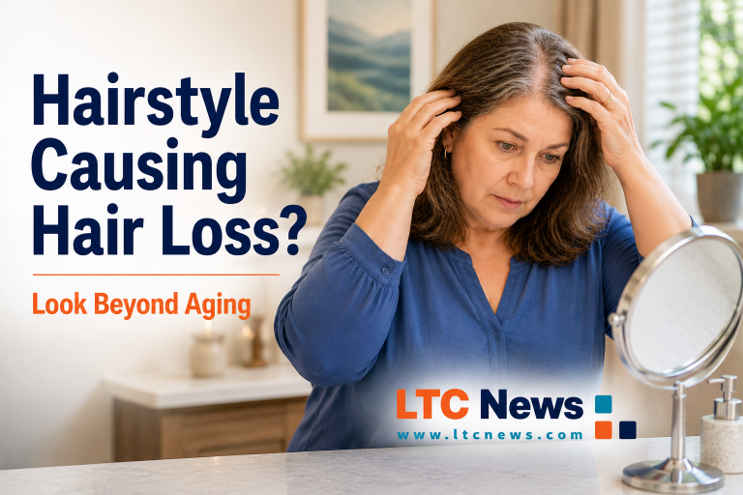
Hair loss becomes more common with age, but it’s not always just genetics or hormones. Years of tight ponytails, braids, buns, or extensions can lead to traction alopecia, a preventable form of hair loss.

Anna Marino
Anna Marino is a seasoned writer specializing in topics related to family, aging, and lifestyle in retirement. She shares advice on intergenerational relationships and strategies for enjoying retirement.
Table of Contents
- Why Hair Changes as You Age
- Could Your Hairstyle Be Contributing?
- Women and Men Experience Hair Loss Differently
- 7 Common Reasons Hair May Be Thinning After 50
- Could Stress Be Playing a Role?
- Could Your Medications Be Affecting Your Hair?
- What Happens When Sudden Hair Loss Is Noticed in an Older Adult?
- Why Sudden Hair Loss Should Not Be Ignored
- Adult Children May Notice Changes First
- Can Hair Regrow?
- Protecting Your Hair and Scalp
- What Is Your Hair Is Telling You?
You notice more hair in the brush. The part in your hair seems wider. Perhaps your hairline is not where it used to be. Many adults assume thinning hair is simply part of aging. Sometimes it is. But medical conditions, medications, hormonal changes, and even years of wearing tight hairstyles can all contribute to hair loss.
One commonly overlooked factor is traction alopecia, a form of hair loss caused by years of repeated tension on hair follicles. Unlike hereditary hair loss, traction alopecia is often preventable when recognized early.
Understanding what causes hair loss is important because some forms are temporary and treatable, while others can become permanent if left untreated.
Why Hair Changes as You Age
Hair naturally undergoes changes over time. Individual strands often become finer. Growth cycles may slow, and follicles may become less productive than in earlier decades. Dermatologists note that aging, genetics, hormonal changes, certain medical conditions, and some medications can all influence hair growth because several factors often occur simultaneously, identifying the cause is not always straightforward.
Could Your Hairstyle Be Contributing?
Most people do not associate their hairstyle with hair loss. Yet dermatologists recognize traction alopecia as a form of hair loss caused by chronic tension on hair follicles. Tight ponytails, buns, braids, cornrows, extensions, and weaves can repeatedly stress the scalp. Over time, that tension may damage follicles and reduce their ability to produce healthy hair.
The American Academy of Dermatology notes that traction alopecia is among the few forms of hair loss that may be prevented—recommending you limit how often you wear tight styles such as ponytails, buns, braids, cornrows, weaves and extensions, and give the scalp regular breaks from tension.
Unlike hereditary hair loss, traction alopecia usually develops gradually over months or years. Many people first notice thinning around the temples, front hairline, or nape of the neck.
Warning signs may include:
- Scalp tenderness
- Persistent itching or irritation
- Redness along the hairline
- Small bumps around hair follicles
- Broken hairs near the scalp
- An uneven hairline
- Progressive thinning around the edges
Because these symptoms often develop slowly, many people blame aging, stress, or hair products rather than their daily styling routine.
Women and Men Experience Hair Loss Differently
- Menopause and Hair Thinning
Many women notice significant changes in their hair during perimenopause and menopause. Declining estrogen levels can affect hair growth cycles and reduce overall hair density. Hair may appear thinner, lose volume or develop a wider part. Increased shedding is also common during hormonal transitions.
- Male-Pattern Hair Loss
Hereditary hair loss remains the most common cause of thinning hair in men. Often referred to as male-pattern baldness, the condition typically develops gradually and may begin with a receding hairline, thinning at the crown, or both. Genetics and hormone sensitivity are believed to play important roles.
For some adults, age-related hair loss and traction alopecia may occur at the same time, making diagnosis more complicated.
7 Common Reasons Hair May Be Thinning After 50
Hair loss is not always related to aging or styling habits. Healthcare providers often evaluate other possible causes, including:
- Thyroid disorders
- Iron deficiency
- Menopause and hormonal changes
- Autoimmune conditions such as alopecia areata
- Certain prescription medications
- Nutritional deficiencies
- Recent illness, hospitalization, or surgery
In some cases, thinning hair may be one of the first visible signs that an underlying health issue deserves attention.
Could Stress Be Playing a Role?
Periods of significant emotional or physical stress can disrupt normal hair growth cycles. Caregiving responsibilities, serious illness, surgery, grief, or other major life events may trigger increased shedding several months later. This temporary form of hair loss often improves once the underlying stressor resolves, although persistent or severe hair loss should be evaluated by a healthcare professional.
For family caregivers already coping with the demands of helping an aging parent, spouse, or loved one, stress-related changes in hair growth can sometimes be another reminder of the toll caregiving can take on overall health and well-being.
Could Your Medications Be Affecting Your Hair?
Adults over age 40 are more likely to take prescription medications, making medication-related hair loss an important consideration. Some medications have been associated with increased hair shedding in certain individuals, including drugs prescribed for:
- High blood pressure
- Depression
- Arthritis
- Blood clotting disorders
- Thyroid conditions
- Cancer treatment
Hair changes should never prompt someone to stop a prescribed medication without consulting a healthcare provider. However, discussing concerns with a physician may help determine whether a medication could be contributing to your thinning hair.
What Happens When Sudden Hair Loss Is Noticed in an Older Adult?
When sudden hair loss occurs in someone receiving home care, assisted living, memory care, or nursing home services, professional caregivers are trained to look beyond appearance alone.
Unexpected hair loss can sometimes signal an underlying health issue that requires medical attention. Caregivers often spend more time with an older adult than family members and may be among the first to notice increased shedding, thinning patches, scalp irritation, or changes in grooming habits.
Professional caregivers typically document their observations and report concerns to family members, nursing staff, or healthcare providers.
Depending on the situation, the care team may review:
- Recent illnesses or hospitalizations
- Changes in medications
- Nutritional intake and weight loss
- Signs of dehydration
- Scalp infections or skin conditions
- Stressful life events
- Changes in personal hygiene routines
- Underlying medical conditions, such as thyroid disorders
In assisted living communities and nursing homes, nursing staff may coordinate with the resident's physician to determine whether additional evaluation is needed. Blood tests, medication reviews, or referrals to a dermatologist may be recommended when hair loss appears sudden, significant, or unexplained.
Hair loss can be especially concerning in older adults living with dementia. Individuals with cognitive impairment may be unable to communicate symptoms such as scalp pain, itching, or discomfort. Care teams often look for behavioral changes, excessive scratching, or resistance during grooming that could indicate an underlying problem.
Family members should not hesitate to ask questions if they notice sudden changes in a loved one's hair. While hair loss is often associated with aging, it can also be an early sign of a nutritional deficiency, a medication side effect, or a medical condition that warrants prompt attention.
Finding quality long-term care providers who closely monitor changes in health and well-being can make a significant difference. The LTC News Caregiver Directory helps families locate home care agencies, assisted living communities, memory care providers, and nursing facilities that support the overall health and quality of life of older adults.
Why Sudden Hair Loss Should Not Be Ignored
Hair loss is often viewed as a cosmetic concern. Sometimes, however, it may provide clues about overall health. Changes in hair growth can occasionally accompany thyroid disease, nutritional deficiencies, autoimmune disorders, medication side effects, or recovery from significant illness or surgery.
For adults over 40, sudden or unexplained changes warrant medical attention, as early evaluation may help identify health conditions before other symptoms become more obvious. A dermatologist or healthcare provider can help determine whether hair thinning is related to aging, genetics, hormones, medications, medical conditions, or traction alopecia.
Adult Children May Notice Changes First
Share your thoughts and experiences about aging, caregiving, health, retirement, and long-term care with LTC News —Contact LTC News.
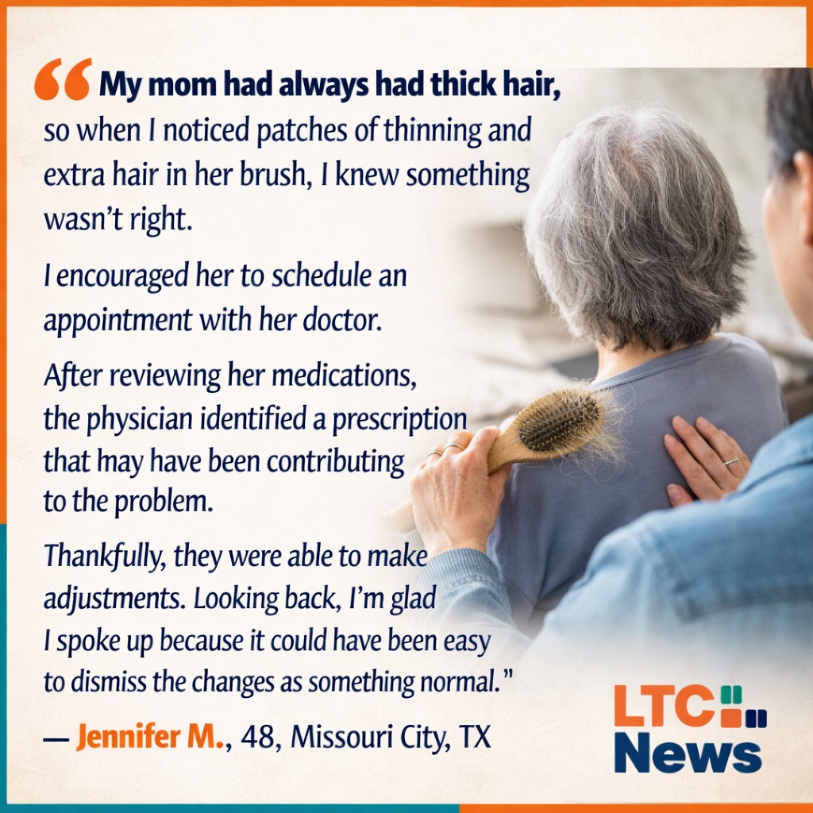
Adult children are often among the first to notice physical changes in an aging parent, including unexpected hair thinning, increased shedding, or patchy hair loss.
While hair loss alone is rarely cause for alarm, noticeable, sudden changes in hair loss can create an opportunity to discuss overall health, medications, nutrition, and the importance of routine medical care. Sometimes those conversations uncover health concerns that might otherwise go unaddressed.
Can Hair Regrow?
The answer depends largely on the cause. When traction alopecia is identified early, reducing tension on the hair follicles may allow hair to regrow. In many cases, follicles can recover if chronic pulling is stopped before permanent damage occurs.
Years of ongoing tension, however, may lead to inflammation and scarring around hair follicles. Once significant scarring occurs, regrowth becomes much less likely because the follicle itself may no longer function normally. That reality makes early recognition especially important.
Protecting Your Hair and Scalp
Fortunately, preventing traction-related damage often involves simple changes.
- Rotate Hairstyles
Avoid wearing the same tight hairstyle every day. Changing styles reduces repetitive stress on the same follicles.
- Loosen Ponytails and Buns
Even modest reductions in tension can lessen strain on the scalp.
- Choose Gentler Hair Accessories
Soft fabric-covered hair ties generally create less pulling and friction than elastic bands.
- Take Breaks from Extensions and Tight Braids
Allowing the scalp regular recovery time may help reduce cumulative damage.
- Avoid Sleeping with Hair Tightly Pulled Back
Hair follicles benefit from periods without constant tension.
- Limit Excessive Heat and Chemical Treatments
Frequent bleaching, harsh chemical treatments, and excessive heat styling may weaken hair and contribute to breakage, particularly as hair becomes more fragile with age.
- Pay Attention to Scalp Discomfort
Persistent tenderness, redness, itching, or bumps should not be ignored.
What Is Your Hair Is Telling You?
Hair loss is often dismissed as an unavoidable part of getting older. Yet changes in your hair can sometimes reveal more than cosmetic concerns. Whether the cause is a favorite hairstyle, a medication, hormonal changes, stress, or an underlying health condition, paying attention early may help protect both your hair and your overall health.
The sooner the cause is identified, the greater the opportunity to preserve healthy hair growth and address potential health issues before they become more serious.
Frequently Asked Questions
Is hair loss a normal part of aging?
Some degree of hair thinning is common as people age. Hair strands often become finer, growth cycles slow and follicles may produce less hair over time. However, sudden or significant hair loss should not automatically be dismissed as a normal part of aging, especially when it develops quickly or is accompanied by other symptoms.
Can hair regrow after hair loss?
That depends on the cause. Hair often regrows when hair loss is related to temporary stress, illness or certain reversible conditions. Early-stage traction alopecia may also improve when tension on the scalp is reduced. However, hair loss caused by permanent follicle damage or scarring may not be reversible.
Why is sudden hair loss in an older adult a concern?
Unexpected hair loss in older adults may indicate changes in health, nutrition, medications or overall well-being. Professional caregivers, assisted living staff and nursing home care teams often monitor for sudden changes and may recommend medical evaluation when hair loss appears significant or unexplained.
Can hair loss be an early sign of a health problem?
Sometimes. Sudden or unexplained hair loss may occasionally signal an underlying medical issue, nutritional deficiency, medication side effect or hormonal imbalance. A healthcare provider can help determine whether additional evaluation is needed.
Can medications cause thinning hair?
Some prescription medications have been associated with increased hair shedding in certain individuals. These may include medications used to treat high blood pressure, depression, arthritis, thyroid disorders, blood clotting conditions and cancer. Never stop a prescribed medication without consulting your healthcare provider.
What is traction alopecia?
Traction alopecia is a form of hair loss caused by repeated tension on hair follicles. Tight ponytails, buns, braids, cornrows, extensions and weaves can place chronic stress on the scalp, potentially damaging follicles over time. Early detection may allow hair to regrow, but long-term damage can become permanent.
When should I see a dermatologist about hair loss?
Consider seeking medical advice if:
- Hair loss develops suddenly
- Bald patches appear
- Hair loss becomes severe
- Scalp pain, itching or inflammation occurs
- Hair thinning continues despite lifestyle changes
Early evaluation may improve treatment options and help identify any underlying health concerns.
What are the early warning signs of traction alopecia?
Common warning signs include:
- Thinning around the temples or hairline
- Scalp tenderness
- Persistent itching or irritation
- Redness along the scalp
- Small bumps near hair follicles
- Broken hairs close to the scalp
Recognizing these symptoms early can help prevent further damage.
Can stress cause hair loss?
Yes. Significant emotional or physical stress can disrupt normal hair growth cycles and trigger increased shedding. Caregiving responsibilities, serious illness, surgery, grief and major life changes are among the stressors that may contribute to temporary hair loss.
How can I protect my hair as I get older?
Simple steps that may help protect hair health include:
- Avoiding tight hairstyles every day
- Rotating hairstyles regularly
- Using soft hair ties
- Taking breaks from extensions and tight braids
- Limiting excessive heat styling
- Avoiding harsh chemical treatments
- Maintaining good nutrition
- Discussing sudden hair loss with a healthcare provider
What should family members do if they notice hair loss in an aging parent?
Adult children are often among the first to notice physical changes in a parent. If hair thinning develops suddenly or appears unusual, it may be worthwhile to discuss the change with a healthcare provider. Hair loss can sometimes be a clue to an underlying health issue that deserves attention.
What medical conditions can contribute to hair loss?
Healthcare providers may evaluate several possible causes, including:
- Thyroid disorders
- Iron deficiency
- Autoimmune conditions such as alopecia areata
- Hormonal changes related to menopause
- Nutritional deficiencies
- Recent illness or surgery
Identifying the underlying cause is important because treatment depends on the specific reason for the hair loss.

Sponsored